Immortal Tenderness
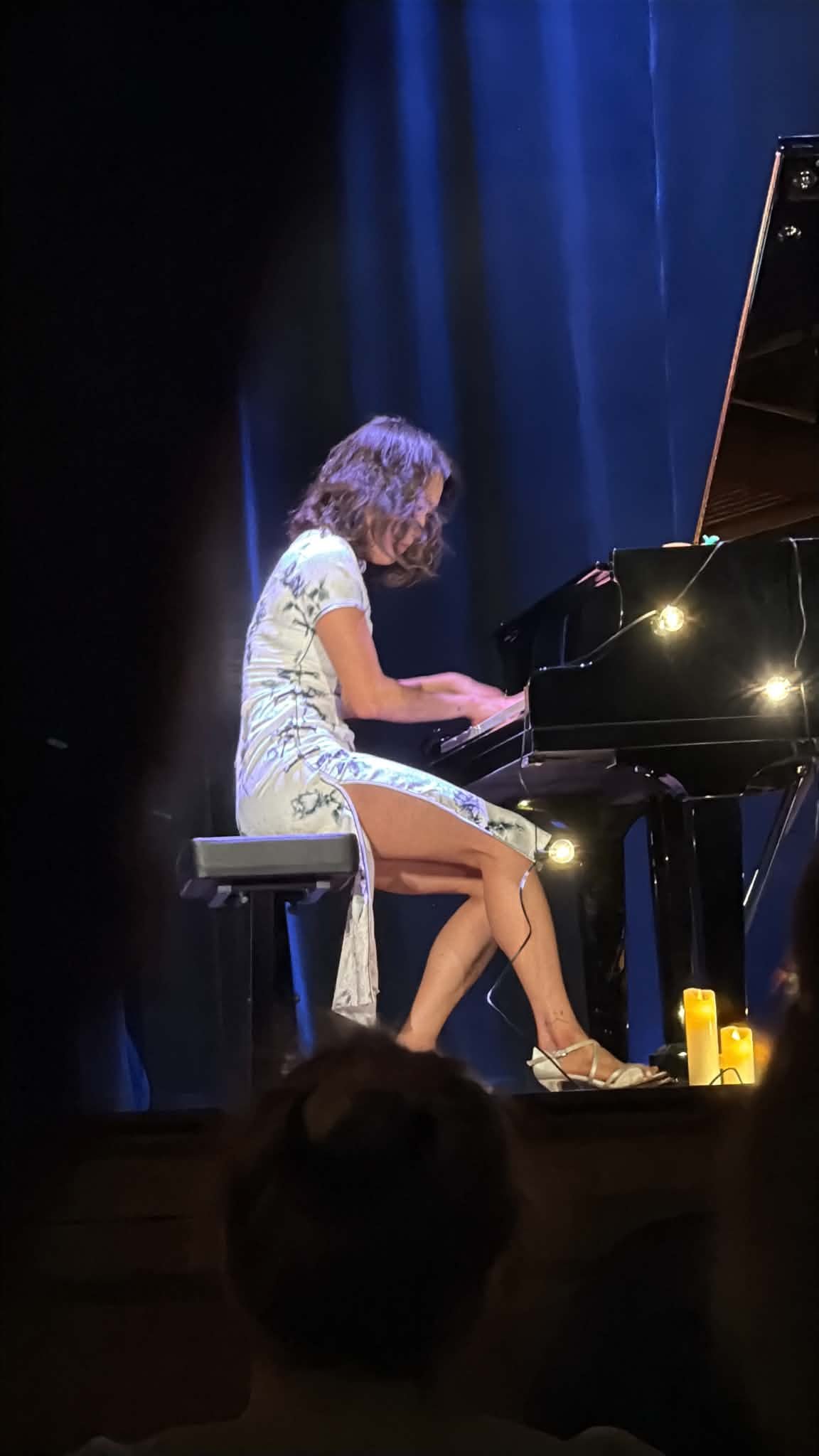
Victoria Hall, Montreal QC. “Immortal Tenderness”. June 10, 2026.
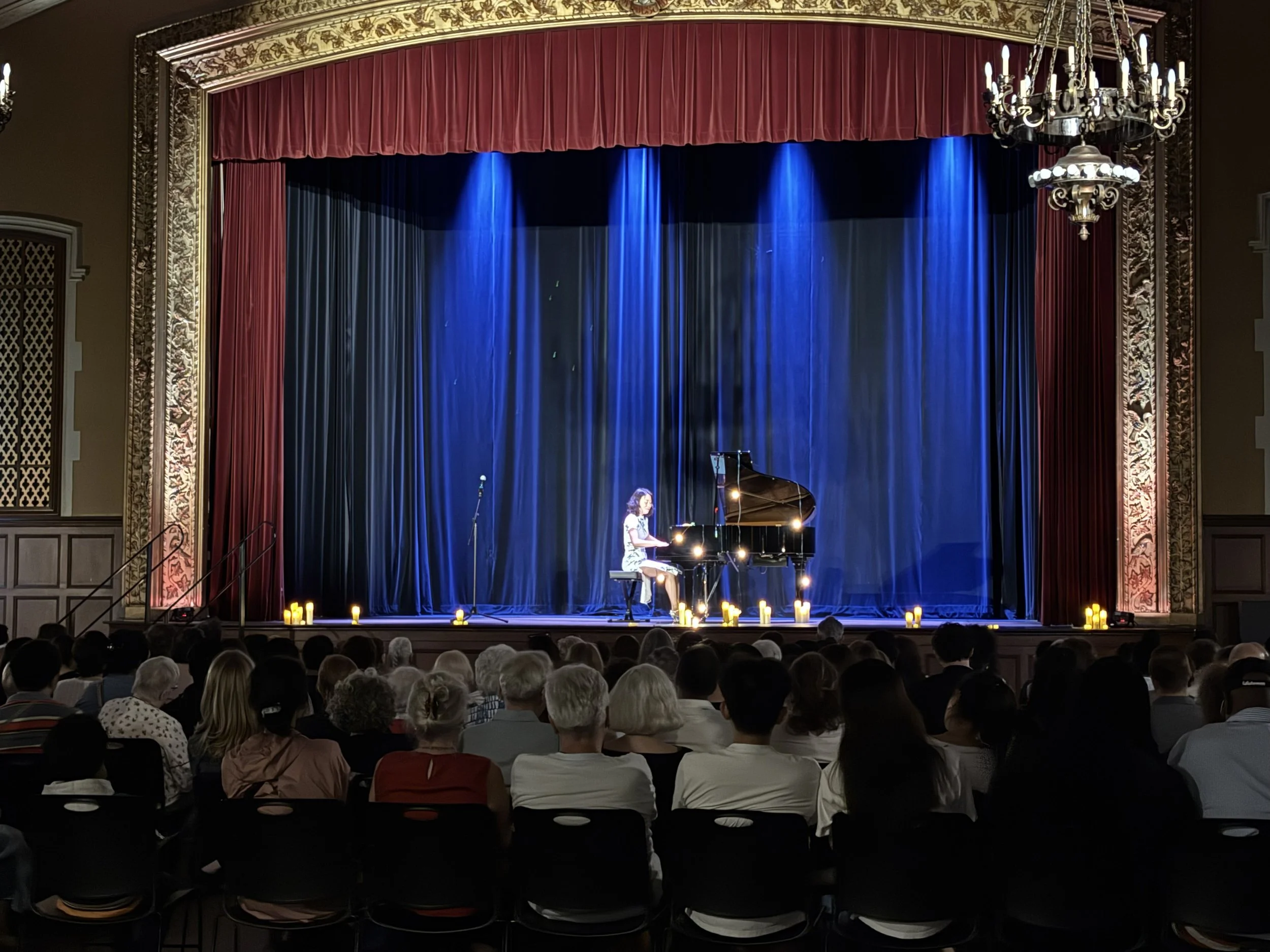
Victoria Hall, Montreal QC. “Immortal Tenderness”. June 10, 2026.
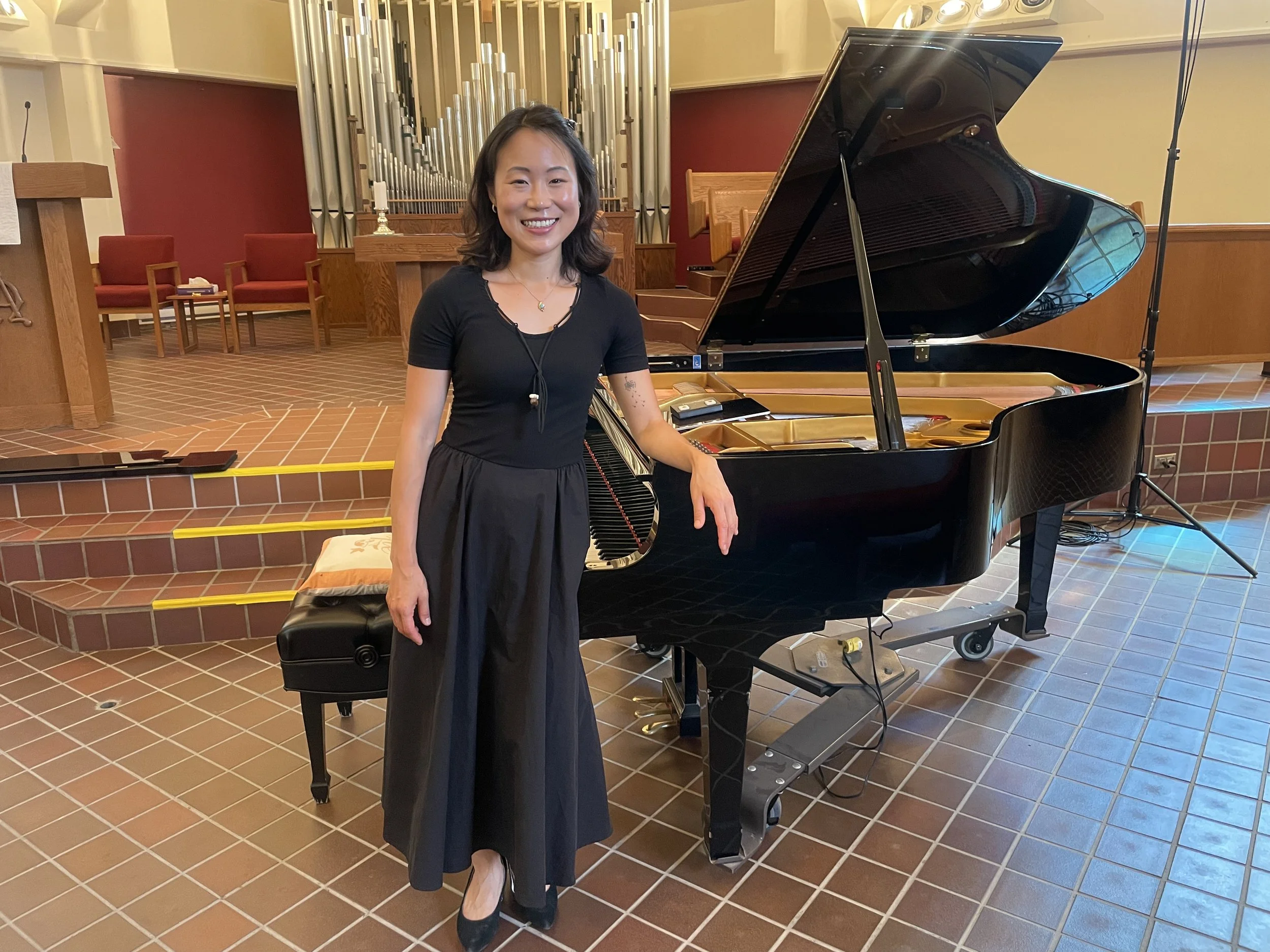
Kanata United Church, Ottawa ON. “Immortal Tenderness”. June 28, 2026.
Thank you, Montreal and Ottawa.
Thank you for creating silence with me.
I hear you listening.
Here are some snippets from my journal during the late night teary-eyed reflections transfixed by this strange awing channelling of Beethoven’s spirit…
The wonder is: that the wisdom and depth is precisely in their profound simplicity. In bringing out something so inwardly. So tender, so pure, so sublime. This almost unbearable love for all the universe, across all time, for all things. Still today, here, their love letters, resonating through us, through the piano, through our hearing, our listening back. In this miraculous way, thus we are all connected. Our common humanity. Our common human condition. That sense of being so moved, by the rumbling of the earth, the opening of the sky, of the stars, of heaven and hell, of all things, ecstasy, kindness, joy, pain, of spirit, dark and light.
There is “tenderly” marked in the score. Precious. Kind. Pleasant. Peaceful. But there are still moments of outbursts, passion, pain. Tenderness can also hurt, can be raw, can be a sore heart, a wound. There is yearning, desiring, surging, overwhelming unbearable feeling. Just feeling. Opening. Trust. Trust. Comfort, solace, prayer. A prayer for all beings. For the blessedness of all our joy and pain. For grace.
“I pray: that another 250 years later, a girl will still stand alone in the night, hear your voice, and feel - just that much warmth. That understanding of, ‘everything, always’”. A sense of being felt, understood, heard, touched, connected.
An eternal/timeless love letter. A suspension in Time.
“The simple joy of being listened to.” Each time we play Beethoven, it’s like reading aloud a love letter written to us across time, and sending that message, that understanding, that affirmation back. “I hear you. I feel you. I will chant your Spirit.”
Once again, as always, I’m so glad.
I’m so glad we get to live the life we’re living. Still. To work on music, to play music, to share.
All my relations,
Tong
“‘Immortal Tenderness’
Timeless, spiritual, sublime.
Prayer, hymn, chorale.
Intimate, poetic.
Introspective, serene.
Consolation. Peace. Solace.
Gentle goodwill.
Noble kindness.
Silence. Despair. Longing.
Pain. Isolation. Outcast.
Wounded. Wandering.
Silence.
Simplicity.
Homecoming.
A desire to do good.
A warm heart. A tender heart.
A child’s heart. Cradled gently. Caressed. Cherished.
All the unspeakable,
An immortal love letter.
Eternal. Endless. Suspended.
Transcendent.
Moral beauty. Credo, “I believe.”
Our common humanity.
I am a part,
of humanity.
’Everything, always.’ ”
//
Concert Script:
“I have a program for you that’s quite different from my usual fiery, virtuosic repertoire. I wanted to take the challenge to explore a much more humble and intimate side of my playing. These late Sonatas by Beethoven and Schubert are lifelong dream pieces of mine to perform - they’re incredibly profound, touching, and poetic. But precisely because they’re not flashy, they demand even more refinement, nuance, and poise. A lifetime feels not enough to explore the depth of these masterworks, but I’m very glad nonetheless to share them with you now.”
Beethoven
By the time Beethoven wrote his Op.109 Sonata in his mid-40s, he had become entirely deaf. This is his 3rd to last Sonata. Imagine Beethoven at the end of his life, an introvert, deeply pained and outcast from society. The isolation. The despair. Yet at the same time, he never abandoned his own language of expressing the immense love he has for humanity, the boundless desire to connect, to do good by the world. That kind of softness behind a stern man, that noble kindness. Simultaneously warm and heartbreaking. That’s the immortal tenderness.
This Sonata emerges from the ether and dissipates into the ether. It seems to have no beginning or end. There’s a sense of timelessness as we flow from an arpeggiated chorale to improvisatory exclamations to a second movement of a tumultuous inferno. The last movement, a theme and variations, has a deeply spiritual quality, like a prayer or a consolation. After journeying through 6 variations, we reach a climax of transcendent ecstasy as if the earth is rumbling and the stars are set ablaze, before finally returning to a most simple statement of the theme.
“Forced already in my 28th year to become a philosopher, O it is not easy, less easy for the artist than for anyone else - Divine One thou lookest into my inmost soul, thou knowest it, thou knowest that love of man and desire to do good live therein. O men, when some day you read these words, reflect that you did me wrong and let the unfortunate one comfort himself and find one of his kind who despite all obstacles of nature yet did all that was in his power to be accepted among worthy artists and men”
Schubert
Schubert completed his final piano sonata only weeks before his death in November, 1828 at the age of 31. This Sonata has a sublime quality that’s very different from Beethoven. It’s otherworldly, but also private, personal. I’d like you to listen especially to the silences, the intensity of the silences. How haunting they are. Because time unfolds so slowly, because we wander through so many beautiful yet distant realms, the nostalgia for home becomes even more poignant, and the journey back is all the more touching.
Rachmaninoff/Wild
“Where Beauty Dwells” is a short song by Rachmaninoff that has been transcribed by the American pianist Earl Wild. The lyrics speak of the profound peace and beauty of a quiet, sunlit landscape. I’ll read the translation:
How fair this spot…
Just look, there in the distance
The river is ablaze;
The meadows are like a radiant carpet,
And the clouds are white.
There is nobody here…
Here silence reigns…
Here I am alone with God.
And the flowers, and the old pine tree,
And you, my dream!
Chu
This is a piece written for me by my dear friend Wesley nearly a decade ago, during a very different time of my life. It was freshman year of college and Wesley and I would sit in the practice room for hours on end writing stories about a fantasy universe. The Flower Club is one of those storylines with an extensive cast of characters all with their own complex backstories. It touches a deeply soft spot in my heart to share this music with you all. I’ve previously thought it was too ‘popular’ sounding to program on a recital that shares the bill with Beethoven and Schubert, but this quote unquote “light”, “cute” music, is just as equally touching and tender. You have a page with you with some brief traits about these characters, so I’ll leave the rest to your imagination. A little fun fact: one of these characters is based off of teenage Tong. It might be obvious, but as you listen, see if you can guess which one!
Bach
I’d like to end with a little encore to bring us back to a more meditative space. Along with Beethoven, Bach is another one of those composers that manages to speak to the most tender part of my heart. This short little piece has so many personal memories I won’t get into, but I still find it hard to play it without weeping. It’s really the simple things that are the deepest blessings. And for me, that is a safe space, a safe home. Both physically and spiritually.
As a final invitation, I ask that as you listen, really imagine your heart in that safe place. You can just stay there, and exist. It’s like a musical embrace. This is, “Joy of Man’s Desiring” by Bach.